how to gain newborn weight Weight newborn baby gain chart month healthy old food
Newborn Weight Gain - What Is Healthy for Your Baby Welcoming a newborn baby into the world is an incredibly joyous and exciting time for parents. As your little bundle of joy enters this world, one of the key concerns every parent has is their baby’s weight gain. It is essential to understand what is considered healthy weight gain for your precious little one in those early days of their life. As a newborn, babies undergo various changes and adjustments, including steady weight gain. To better track your baby’s growth, professionals have designed a newborn weight gain chart. This chart helps parents and healthcare providers monitor an infant’s weight gain and ensure they are on the right track. The newborn weight gain chart serves as a valuable guideline for parents, offering insight into what is considered healthy progress. It takes into account various factors such as the baby’s birth weight, age, and sex to provide a comprehensive overview of their growth. During the initial days after birth, babies typically experience a certain amount of weight loss. This weight loss is entirely normal and should not cause unnecessary concern for parents. It is important to understand that weight loss is a natural and expected part of a newborn’s development. In those first few days, babies go through several changes in their feeding patterns. They are adjusting to life outside the womb and settling into a new routine. As their bodies adapt to this new environment, some weight loss is inevitable. On average, newborns tend to lose around 5% to 10% of their birth weight in the first week. This loss occurs as the baby eliminates the excess fluid they accumulated while in the womb. It is important to note that this weight loss occurs during the first few days only. Afterward, infants should start gaining weight steadily. As a parent, it is crucial to monitor your baby’s weight gain after the initial weight loss. The ideal weight gain for newborns is around 25 to 30 grams per day, which translates to around 5 to 7 ounces per week. It is important to remember that every baby is unique, and each will have their own individual growth pattern. However, most babies tend to regain their birth weight within the first two weeks of life. To ensure your baby is on track for healthy weight gain, it is essential to follow their feeding cues and consult with your healthcare provider. Breastfed babies tend to have a slightly different weight gain pattern compared to formula-fed babies. Breastfeeding is a natural process that provides numerous benefits for the baby but may result in a slower initial weight gain. Breastfed babies may lose slightly more weight initially but then catch up to their formula-fed counterparts within a few weeks. It is vital to be patient and trust the natural process of breastfeeding. Your healthcare provider will closely monitor your baby’s weight gain and offer support and guidance when needed. Now that we understand the importance of healthy weight gain in newborns, let’s explore a few tips to encourage your baby’s growth: 1. Establish a Proper Feeding Routine: Setting up a consistent feeding schedule helps ensure your baby is getting the nourishment they need. Breastfeeding or bottle-feeding at regular intervals allows your little one to maintain a steady weight gain. 2. Offer Adequate Nutrition: If you are breastfeeding, make sure you are consuming a well-balanced diet to provide your baby with essential nutrients. If you are bottle-feeding, consult with your healthcare provider to determine the appropriate formula for your baby’s needs. 3. Monitor Wet Diapers: Keep track of your baby’s wet diapers as it is a good indicator that they are getting enough milk. On average, newborns should have around six wet diapers per day. 4. Engage in Skin-to-Skin Contact: Spending quality time bonding with your baby through skin-to-skin contact can promote weight gain. This practice allows your baby to regulate their body temperature and has been shown to improve breastfeeding rates. Remember, every baby is unique and will have their own growth pattern. It is essential to focus on your individual baby’s progress rather than comparing them to others. If you have any concerns about your baby’s weight gain or overall development, always consult with your healthcare provider. As your precious little one embarks on their journey of growth, ensuring a healthy weight gain is vital. By following the newborn weight gain chart, establishing a proper feeding routine, and monitoring wet diapers, you can rest assured that your baby is on the right track. Enjoy this special time with your little one and celebrate their remarkable growth every step of the way. Sources: - Image 1: [Newborn Weight Gain-What Is Healthy For Your Baby](https://www.allhealthsite.com/wp-content/uploads/2017/10/Newborn-Baby-Weight-Chart.jpg) - Image 2: [Normal Weight Loss for a Newborn in the Initial Days After Birth](https://cdn.cdnparenting.com/articles/2018/02/74672014_H.jpg)
If you are searching about Normal Weight Loss for a Newborn in the Initial Days After Birth you’ve visit to the right place. We have 5 Images about Normal Weight Loss for a Newborn in the Initial Days After Birth like How Much Weight Gain Newborn - Beauty Clog, Newborn Weight Gain in the First Few Months - Just Simply Mom and also Normal Weight Loss for a Newborn in the Initial Days After Birth. Here it is:
Normal Weight Loss For A Newborn In The Initial Days After Birth
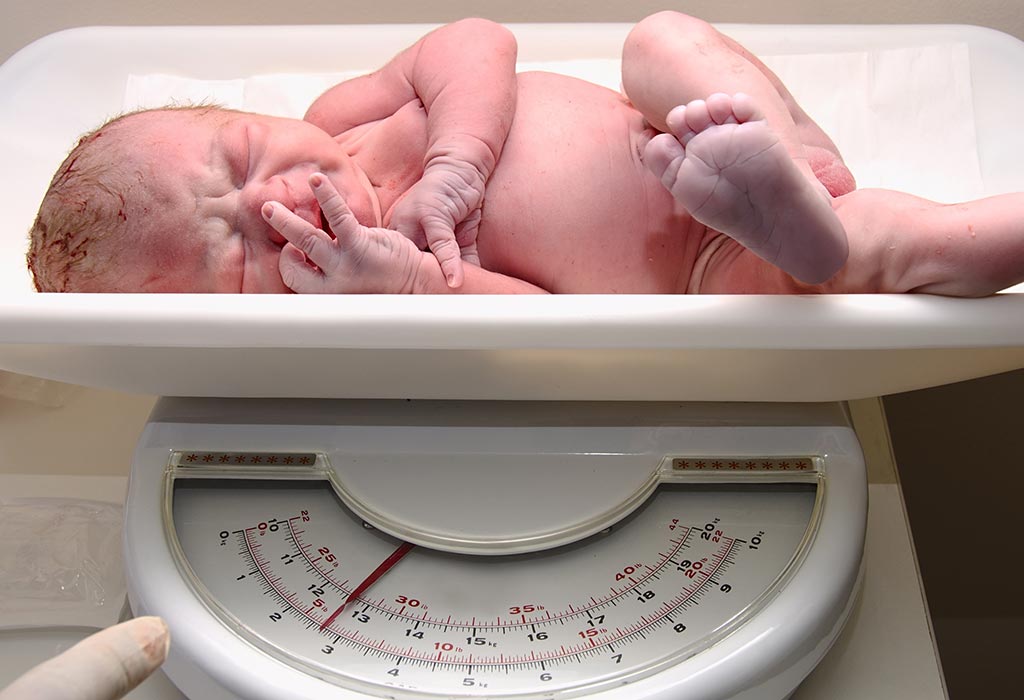 parenting.firstcry.comNewborn Weight Gain-What Is Healthy For Your Baby
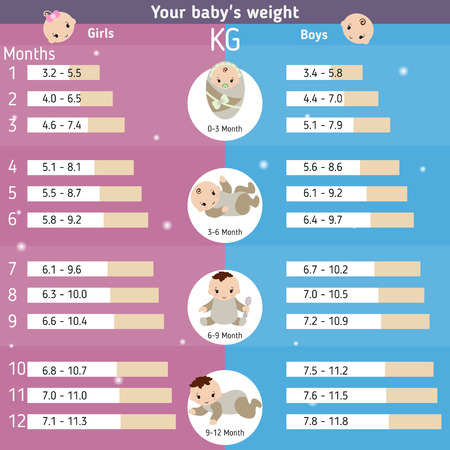 www.allhealthsite.comweight newborn baby gain chart month healthy old food
Newborn Baby Weight Gain - What’s Normal & What’s Not
 parenting.firstcry.aeHow Much Weight Gain Newborn - Beauty Clog
 beautyclog.comNewborn Weight Gain In The First Few Months - Just Simply Mom
 justsimplymom.comjustsimplymom
Newborn weight gain in the first few months. Weight newborn baby gain chart month healthy old food. Normal weight loss for a newborn in the initial days after birth